


Commercial waste collection is changing as businesses, municipalities, and waste management companies look for more efficient ways to handle growing volumes of refuse. Reliable equipment, productive collection routes, improved safety, and practical maintenance strategies are becoming increasingly important for modern waste operations. McNeilus refuse trucks offer solutions designed to support these daily demands, including front loader configurations that serve commercial collection routes and other demanding applications.
As waste collection continues to evolve, fleet operators must consider more than a truck’s initial purchase price. They also need to evaluate payload capacity, operating efficiency, serviceability, durability, and long-term ownership costs. Selecting equipment that matches the work can help companies maintain consistent service while managing operating expenses.
The Changing Demands of Commercial Waste Collection
Commercial waste collection involves serving offices, shopping centers, restaurants, industrial facilities, apartment complexes, and other properties that generate regular refuse. Each location can have different container sizes, access restrictions, pickup schedules, and waste volumes. A collection vehicle must be suitable for these conditions while supporting dependable performance throughout the working day.
As customer expectations rise, waste management companies need trucks that can handle repeated collection cycles without unnecessary interruptions. Delays caused by mechanical problems, unsuitable equipment, or inefficient route planning can affect service schedules and increase costs. Investing in an appropriate refuse truck can help fleets address these challenges.
McNeilus refuse trucks are designed for demanding collection environments, with different body styles and configurations available for specific operational requirements. Front loaders, for example, are particularly useful for commercial operations that collect waste from compatible containers. Choosing the right configuration helps businesses align vehicle capabilities with their everyday workloads.
Why Front Loaders Matter for Commercial Fleets
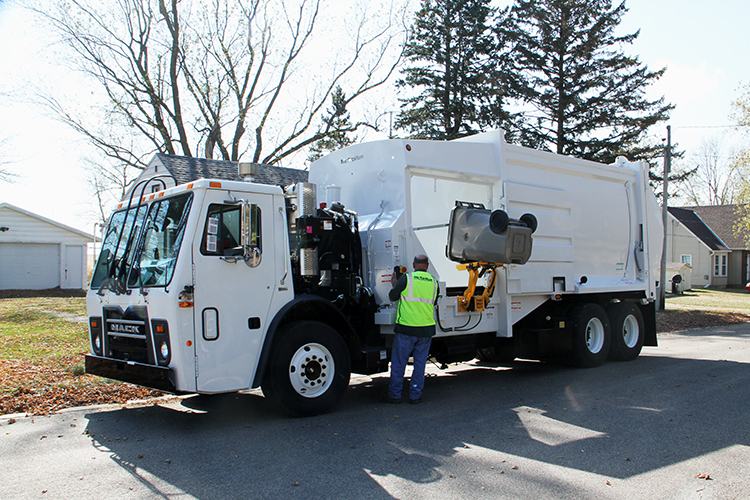
Front loader refuse trucks are commonly used for commercial waste collection because they are designed to lift compatible containers from the front and transfer refuse into the truck body. This arrangement can support scheduled pickups at businesses and commercial properties where containers are positioned for front-loading collection.
The right front loader can help a crew follow a consistent route and serve multiple locations throughout a shift. However, productivity depends on several factors, including container placement, route density, traffic, loading conditions, operator training, and the truck’s specifications.
Businesses exploring a McNeilus front loader should compare available configurations against their actual collection requirements. McNeilus offers front loader options such as the Atlantic Series and Meridian, each intended to address different operational priorities. Fleet managers should review capacity, vehicle weight, lifting requirements, maintenance access, and compatibility with their routes before making a decision.
Technology and Serviceability in Modern Refuse Trucks
Technology is becoming an important part of commercial fleet management. Diagnostic tools can help operators and technicians identify potential problems, while well-designed access points can simplify inspections and repairs. These features may help reduce troubleshooting time and support more consistent vehicle availability.
Certain McNeilus front loader configurations offer optional in-cab diagnostic technology. Service-friendly body designs can also make important hydraulic and electrical components easier to access. The value of these features depends on the selected model, equipment configuration, maintenance practices, and the training available to fleet personnel.
Technology works best when combined with a structured maintenance program. Drivers should complete routine inspections, report unusual noises or operating behavior, and follow the manufacturer’s instructions. Maintenance teams can then investigate concerns before they develop into more serious problems.
Improving Fleet Efficiency Through Preventive Maintenance
A refuse truck experiences repeated loading cycles, heavy operating conditions, and exposure to debris, moisture, and changing weather. Hydraulic systems, lifting mechanisms, packing equipment, brakes, tires, electrical components, and chassis systems all require appropriate attention.
Preventive maintenance helps fleet managers identify wear and address service needs before a truck experiences an unexpected breakdown. A consistent inspection schedule should follow manufacturer guidance and reflect the vehicle’s usage, operating environment, and service history.
Fleet operators should maintain accurate records of inspections, repairs, component replacements, and recurring issues. These records can help managers identify patterns, plan maintenance budgets, and make informed decisions about whether a vehicle should remain in service or be replaced.
Parts availability also matters. When a truck needs a repair, delays in obtaining the correct component can interrupt scheduled collections. Working with knowledgeable parts specialists can help operators identify suitable components and reduce avoidable downtime.
The Role of Ten-8 Industrial in Fleet Support
Purchasing a refuse truck is only one part of managing a commercial waste fleet. Operators also need access to technical assistance, replacement parts, diagnostics, and repairs throughout the vehicle’s working life.
Ten-8 Industrial supports McNeilus refuse truck customers with parts and service resources, including refuse body diagnostics and repair, hydraulic system support, automated equipment service, and mobile service capabilities. These services can help fleet operators address maintenance needs and work toward restoring vehicles to productive operation.
For businesses evaluating new equipment, discussing service requirements before purchasing can be valuable. Fleet managers should understand what support is available in their operating area, how maintenance appointments are arranged, and which parts resources can assist with their selected configuration.
Sustainability and Future Fleet Decisions
Sustainability is increasingly relevant to waste collection. Fleet operators may be asked to reduce emissions, improve fuel efficiency, or explore alternative powertrains while maintaining dependable collection schedules. The most appropriate approach depends on route length, vehicle utilization, local infrastructure, payload requirements, and total ownership costs.
McNeilus has also introduced electric refuse vehicle options, including the Volterra platform. Electric trucks may be worth evaluating for suitable operations, but fleets should assess charging access, route demands, service support, and vehicle availability before committing to a transition.
Not every fleet will adopt the same technology at the same pace. A practical strategy may involve upgrading older vehicles, improving maintenance practices, optimizing routes, and assessing alternative powertrains where operational conditions support them.
Choosing Equipment for Long-Term Performance
The future of commercial waste collection will depend on combining capable vehicles with thoughtful fleet management. Businesses should evaluate their collection needs, expected waste volumes, route conditions, operator requirements, maintenance resources, and long-term budget before choosing equipment.
McNeilus refuse trucks provide options for a range of waste collection applications, but the best choice depends on how the vehicle will be used. A well-matched truck, supported by trained operators and preventive maintenance, can help a fleet deliver more consistent service.
By considering equipment capabilities and after-sales support together, commercial waste companies can make better-informed investment decisions. With resources from providers such as Ten-8 Industrial, fleet managers can also plan for parts, repairs, and ongoing service as their collection operations evolve.